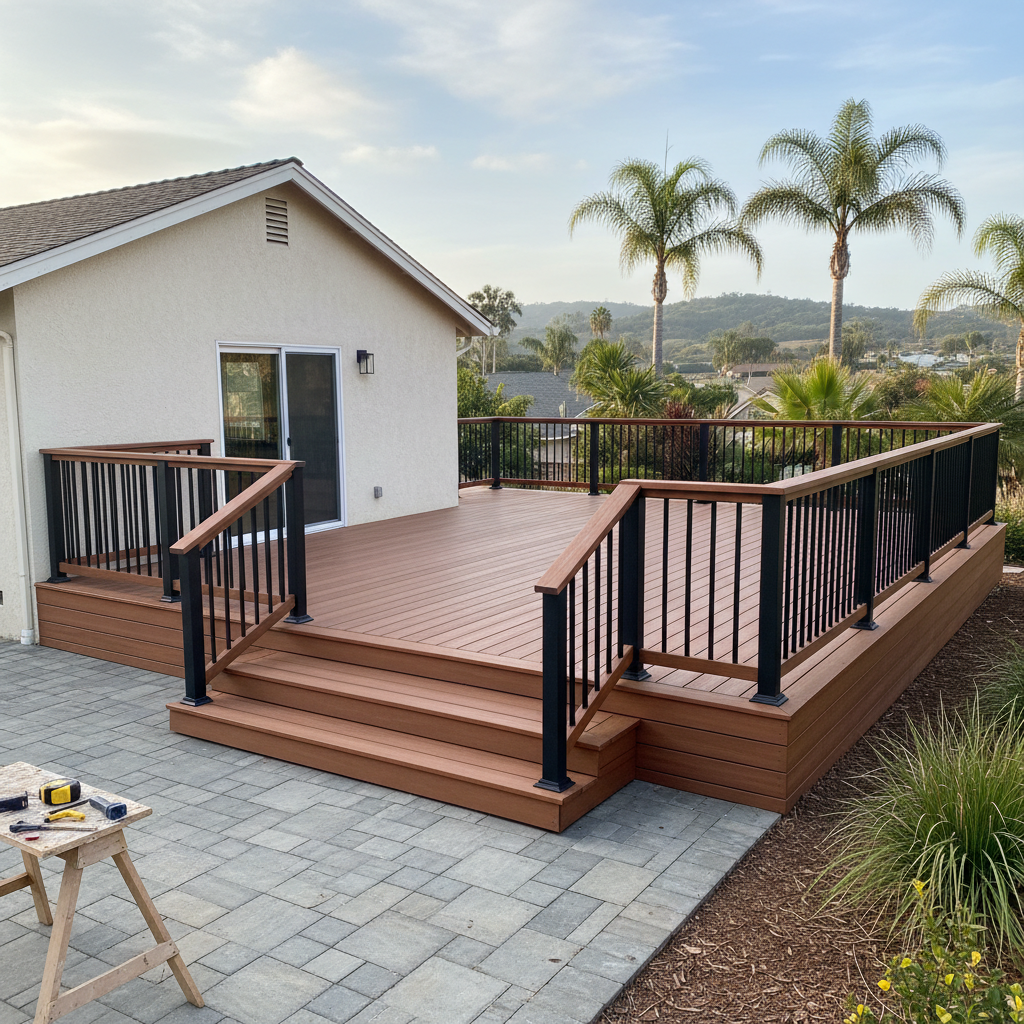
So, you've got a composite deck, or maybe you're just starting to think about getting one. Smart move, honestly. They're pretty low-maintenance, look fantastic, and can really take a beating compared to traditional wood. But here's the thing: 'low-maintenance' isn't the same as 'no maintenance,' especially when you live right here in Oceanside.
I've been building decks around this area for years, and I've seen firsthand what our specific climate does to outdoor structures. It's not just the sun, you know? It's the salt air, that marine layer we get, and even those occasional Santa Ana winds that can really mess things up. So, let's chat a bit about how to protect your investment and, just as important, when's actually the best time to get that new deck built.
When's the Best Time to Build a Composite Deck in Oceanside?
This is probably the question I get asked most often. And to be honest, there's no single "perfect" day. But some seasons are definitely better than others for getting a new composite deck installed. Here's what I've learned:
Fall (September - November): This is usually my top recommendation, hands down. The scorching summer heat starts to back off, but we still get plenty of dry, sunny days. The ground isn't soaked from winter rains yet, and the humidity is generally lower. That means materials behave predictably, and my crew can work efficiently without battling extreme temperatures.
Spring (March - May): Another solid choice, for sure. Just like fall, you get good temperatures and usually less rain than in winter. The ground might still be a little damp from winter, which isn't a deal-breaker, but it's something we keep in mind. Plus, you'll have your deck ready just in time for all that summer entertaining.
Winter (December - February): We can absolutely build in winter, but it does come with a few more variables. We get more rain, obviously. While composite materials don't swell and shrink like wood, working in wet conditions isn't ideal for the crew or for keeping the job site clean. We also have those shorter daylight hours, which can stretch out project timelines a bit. If you're looking for a new deck in winter, we just need to be a little more flexible with scheduling around the weather, that's all.
Summer (June - August): We do plenty of decks in summer, but it's not always the easiest. Those really hot days, especially when the marine layer burns off early, can make things tough. Composite decking can get incredibly hot to the touch, which isn't fun for installation. Plus, summer is often our busiest season, so lead times can be longer. If you want your deck by summer, you really need to plan ahead and get on the schedule in late winter or early spring — trust me on this one.
Weather Conditions That Affect Deck Work
It's not just the season; it's the daily conditions we deal with. Here in Oceanside, we've got a few unique challenges:
High Humidity/Marine Layer: Composite decks are largely impervious to moisture, sure, but consistently high humidity can still affect how fasteners perform during installation. It's also just generally less pleasant to work in. We often see the marine layer burn off by midday, which gives us good working windows.
Direct Sun Exposure: Composite boards can get extremely hot. This doesn't actually damage the material, but it makes handling them tricky for the crew. It also means we need to be extra careful about expansion and contraction during installation. For example, if we're putting in a dark board on a super hot day, we might leave a slightly wider gap to account for future cooling and contraction. This is especially true for decks on the west side of homes, where they get blasted by the afternoon sun.
Wind: Our coastal breezes are usually pretty nice, aren't they? But those Santa Ana winds? They can kick up dust and debris, making it harder to keep a clean work site. High winds also make it unsafe to work on elevated structures or with larger pieces of material.
Rain: This one's obvious. We can't work in heavy rain. A light drizzle might be manageable for some tasks, but generally, we'll pause until it clears up. Safety is always number one, no exceptions.
Protecting Your Composite Deck Year-Round
You chose composite for a reason: it's tough. But a little care goes a long way toward keeping it looking brand new. Here's what I tell all my clients:
Regular Cleaning: This is the big one. Our coastal air carries salt, dust, and sometimes even a fine layer of sand from the beach. This stuff settles on your deck. A simple sweep, then a wash with mild soap and water (or a composite deck cleaner) a few times a year, will prevent buildup and keep it looking fresh. For tougher spots, a soft-bristle brush works wonders. Just don't use a pressure washer on full blast; it can damage the surface of some composite boards, believe it or not.
Watch for Mildew: Even though composite resists rot, mildew can still grow on the surface, especially in shaded areas or where moisture tends to sit. This is common in some of the shadier backyards in neighborhoods like Fire Mountain. If you see green or black spots, clean them promptly with a composite-safe cleaner. Good air circulation really helps prevent this, too.
Furniture Pads: Heavy furniture, especially metal, can scratch or dent your deck. Put pads under the legs to protect the surface. Also, try to avoid dragging things across the deck if you can.
Spill Cleanup: Composite is stain-resistant, but it's not stain-proof. Clean up spills quickly, especially grease, oil, or anything with strong dyes. The longer it sits, the harder it is to remove.
Trim Overhanging Branches: If you have trees over your deck, trim them back. Falling leaves, sap, and bird droppings can make a mess and encourage mildew growth. Nobody wants that.
Ultimately, a composite deck is a fantastic investment for your Oceanside home. With a little bit of seasonal awareness and regular cleaning, you'll enjoy it for decades. If you're thinking about a new deck or have questions about maintaining your current one, don't hesitate to reach out to us at Oceanside Deck Builders. We're always happy to help our neighbors, truly.