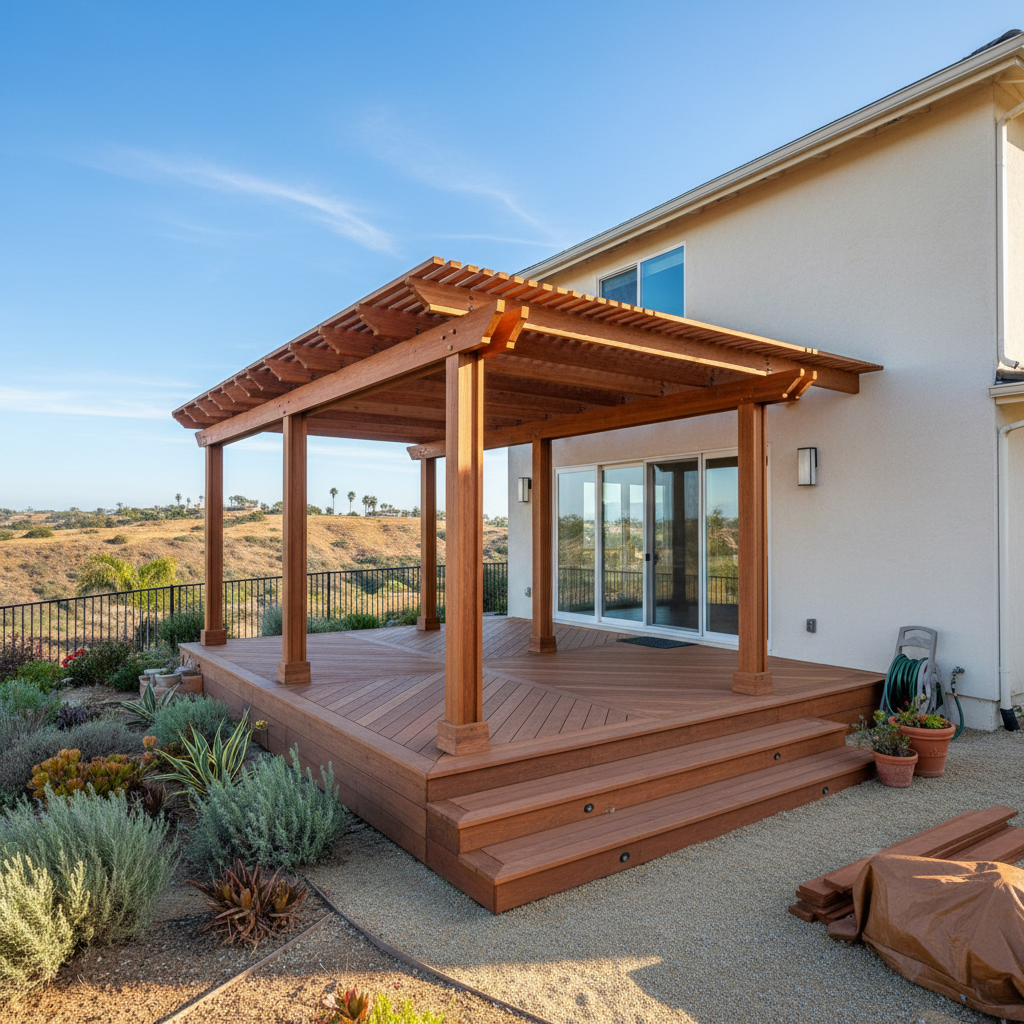
You’ve got a beautiful pergola, right? It’s more than just some wood or metal; it’s your outdoor room, your shade from that intense afternoon sun we get, especially in August. But like anything exposed to the elements here in Oceanside, it needs some looking after. I’ve seen too many good pergolas go bad because folks didn’t know what to watch for. So, let’s talk about keeping yours in top shape.
Extending Your Pergola's Lifespan
The biggest enemies of any outdoor structure around here are the sun, the salt air, and, believe it or not, our occasional heavy rains. We don't get a ton of rain, true, but when it hits, it can be a real deluge. Then the sun bakes everything dry. That cycle is just plain tough on materials.
- Seal and Stain Regularly: If your pergola is wood, this is non-negotiable. I recommend a good quality, UV-resistant sealant or stain every 2-3 years. Think of it like sunscreen for your wood, really. It protects against UV damage, which causes fading and cracking, and it also repels moisture. Without it, wood gets thirsty, dries out, and starts to splinter.
- Choose the Right Materials: Still planning or rebuilding? Consider materials built for our climate. Redwood and cedar naturally resist rot and insects, but they still need sealing. Aluminum or vinyl pergolas are lower maintenance, though even they need cleaning.
- Proper Drainage is Key: Make sure water isn't pooling anywhere on or around the structure. Standing water is a fast track to rot, especially at the base of posts.
What Regular Maintenance Looks Like
This isn't rocket science, but it does take a little consistent effort. A few times a year, give your pergola a good once-over.
- Clean It Up: A simple wash with mild soap and water can do wonders. Use a soft brush or a low-pressure setting on your hose. Get rid of any dirt, mildew, or salt residue that builds up. That salt air from the Pacific can be corrosive over time, so rinsing it off is smart.
- Check Fasteners: Go around and tighten any loose screws or bolts. Wood expands and contracts with temperature changes, and fasteners can work their way loose. If you see any rust, especially on galvanized hardware, address it. You might need to replace rusted bolts or apply a rust-inhibiting primer and paint.
- Inspect for Cracks and Splinters: Small cracks can become big cracks. If you see them, especially on load-bearing beams or posts, don't ignore them. Sometimes a good wood filler and re-sealing can prevent further damage. Splinters are also a sign the wood is drying out and needs attention.
- Clear Debris: Keep leaves, bird nests, and other junk off the top. This prevents moisture from getting trapped and causing rot.
Warning Signs of Problems
You don't need to be a structural engineer to spot trouble. Just pay attention to what your pergola is telling you.
- Sagging Beams: This is a big one. If any of the main beams look like they're bowing or sagging, that's a serious structural issue. Don't put it off.
- Rot or Soft Spots: Poke around with a screwdriver, especially at the base of posts or where wood meets the ground. If the wood feels soft or spongy, you've got rot. This is often caused by persistent moisture.
- Deep Cracks or Splits: Hairline cracks are common, but deep splits that go through the wood or seem to be growing are a red flag.
- Loose Connections: If the whole structure feels wobbly or you can easily move a post or beam by hand, something's seriously wrong with the connections.
- Pest Damage: Look for small holes, sawdust trails, or tunnels in the wood. Termites love damp, untreated wood. We've got our share of them here in Oceanside, especially in older neighborhoods with lots of mature landscaping.
When to Call a Professional
Look, I'm a big believer in DIY when it makes sense, but some things are best left to the pros. If you see any of those serious warning signs – sagging, extensive rot, or major structural instability – it's time to call someone like us at Oceanside Deck Builders. Don't try to jury-rig a fix for a structural problem. It's a safety hazard, plain and simple.
You should also call a professional if you're not comfortable with heights, don't have the right tools, or if the problem seems too big for a simple repair. Sometimes, what looks like a small issue can indicate a larger underlying problem that an experienced eye can spot. We can assess the damage, recommend the best course of action, and make sure the repair is done right, keeping your pergola safe and beautiful for years to come.