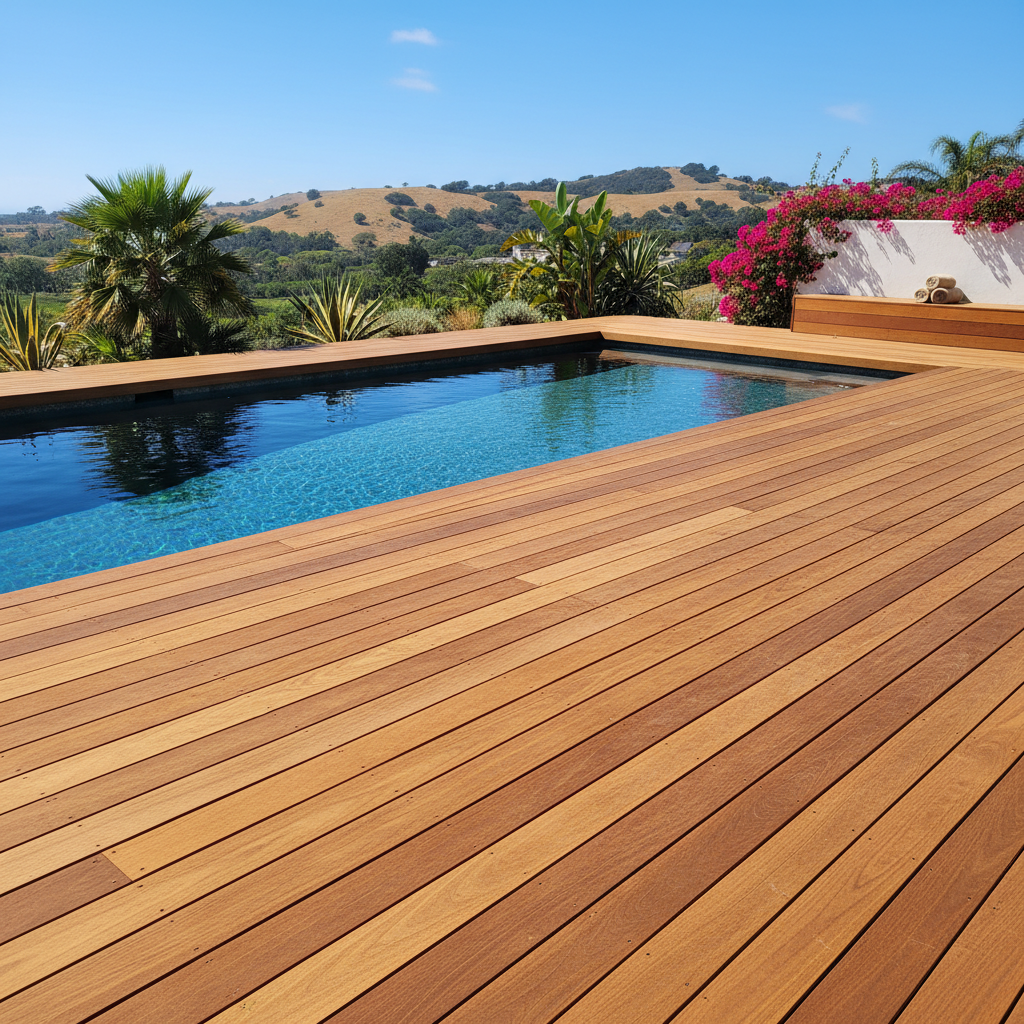
A pool deck is a big investment, especially here in Oceanside where we practically live outdoors. It's the heart of your backyard fun. But all that sun, salt air, and splashing water can really take a toll, can't it? You want that deck to last, right? So, let's talk about how to keep it looking great and safe for years to come.
Keeping Your Pool Deck Kicking: It's All About Protection
The biggest enemy of any outdoor structure, especially one around a pool, is water and UV rays. Here in Oceanside, we get a lot of both. The sun beats down almost daily, and even if your pool isn't overflowing, there's constant moisture from splashes, evaporation, and humidity. That's why protecting your deck is crucial.
For wood decks, regular sealing isn't something you can skip. I'm talking every year or two, depending on the product you use and how much sun the deck gets. A good quality sealant repels water, prevents rot, and blocks those harsh UV rays that turn wood gray and brittle. Think of it like sunscreen for your deck, really. If you've got a concrete or paver deck, you'll still want to seal it. This stops staining from chlorine, algae, and general grime, plus it makes cleaning a whole lot easier. It also helps prevent cracking from our hot days and cooler nights.
Another thing I see folks overlook is proper drainage. Make sure water isn't pooling on your deck or around the edges. If your deck was built right, it should have a slight slope away from the house and the pool. If you notice standing water, that's a red flag. It can lead to rot, mildew, and even structural issues over time.
Regular Upkeep: Your Weekly & Monthly Checklist
This isn't rocket science, but a little consistent effort goes a long way. Here’s what I recommend:
- Sweep or blow off debris weekly: Leaves, dirt, sand from the beach – it all piles up. If left to sit, it can trap moisture and cause staining or even promote mold growth.
- Rinse it down monthly: A quick hose-down helps remove chlorine residue, salt, and general grime. For concrete or pavers, a light pressure wash (on a low setting, please!) can work wonders, but be careful not to damage the surface or blast out joint sand.
- Check for algae and mildew: Our coastal humidity and the constant moisture around a pool are perfect breeding grounds for these. If you see green or black spots, clean them immediately with a deck cleaner specifically designed for your material. Don't let it get out of hand.
- Inspect fasteners: Look at screws and nails. Are any popping up? Tighten them down. Loose fasteners can be a trip hazard and indicate movement in the deck structure.
- Trim back landscaping: Keep bushes and plants from growing directly onto or over your deck. They can trap moisture and block sunlight, which again, encourages mold and rot.
For wood decks, if you notice any splinters, sand them down. A smooth surface is safer and keeps your deck looking better.
Warning Signs You Shouldn't Ignore
You're out there enjoying your pool, but keep an eye out for these red flags:
- Soft spots or bouncy areas: If you step somewhere and it feels spongy or gives more than it should, that's a serious sign of rot or structural damage. Don't ignore it.
- Cracks or significant splintering: Small hairline cracks in concrete are normal, but large, spreading cracks are a problem. For wood, excessive splintering or deep cracks indicate the wood is drying out and deteriorating.
- Persistent mold or algae: If you're cleaning it regularly and it just keeps coming back aggressively, there might be a deeper moisture issue or your sealant has failed.
- Discoloration or fading: While some fading is normal, uneven discoloration or significant graying of wood means your protective finish is gone, and the material is exposed to the elements.
- Loose railings or steps: Any instability in these areas is a major safety concern. Address it immediately.
Especially in areas like the Loma Alta neighborhood, where some homes have older decks that have seen decades of sun and salt, these signs can pop up faster than you'd think.
When to Call a Professional
Look, you can handle a lot of the routine stuff yourself. But there are times when it's best to bring in the pros. If you see any of those serious warning signs like soft spots, major cracking, or structural instability, don't try to DIY a fix. That's when you need an expert to assess the damage and recommend a safe, lasting solution.
Also, if you're due for a full deck restoration – maybe it needs a complete stripping, sanding, and re-sealing – that's a big job. It requires specific equipment and expertise to do it right without damaging the deck. Trying to rush it or using the wrong products can end up costing you more in the long run.
Here at Oceanside Deck Builders, we've seen it all. We can help you figure out if your deck just needs a good cleaning and re-seal, or if it's time for more serious repairs. Don't wait until a small problem becomes a huge, expensive headache. A little proactive care goes a long way in keeping your Oceanside pool deck safe, beautiful, and ready for all those sunny days.