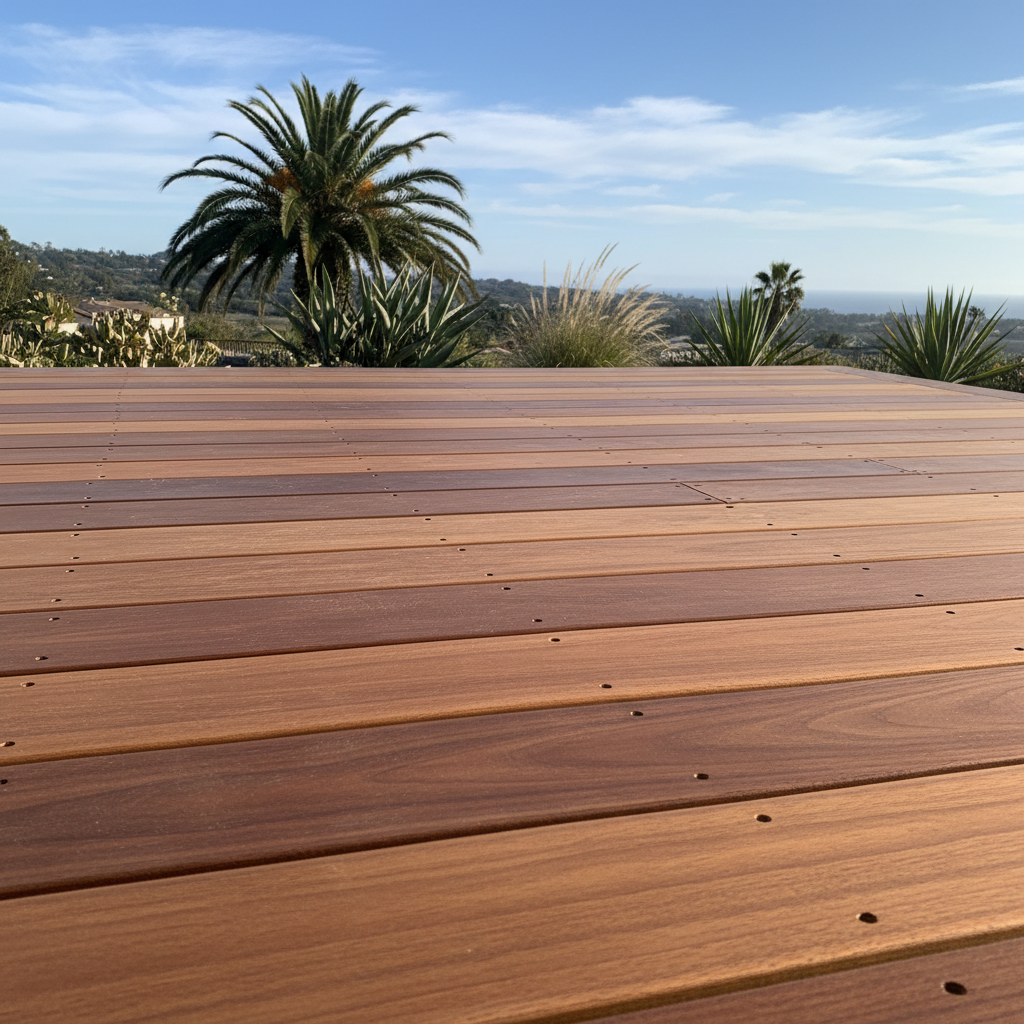
So, you're thinking about a wooden deck, huh? Maybe you're dreaming of a new outdoor living space, or perhaps your existing deck is looking a little tired. As a local contractor, I see a lot of homeowners in Oceanside wondering what they can do themselves and when it's time to bring in someone like us at Oceanside Deck Builders. Let's talk about it.
Before You Even Start: Planning Your Wooden Deck
Before you lift a single hammer, you've got to plan. This isn't just about picking out some lumber; it's about making sure your deck is safe, legal, and actually fits your lifestyle. This initial stage is where a lot of homeowners can get overwhelmed, and frankly, it's often where calling a pro saves you headaches down the road.
- Permits and Codes: This is non-negotiable. Building a new deck, or even significantly altering an existing one, almost always requires a permit from the City of Oceanside. There are specific building codes, setback requirements, and structural guidelines you have to follow. You don't want to build a beautiful deck only to find out you have to tear it down. Can you handle this yourself? Absolutely, if you're patient and willing to dive deep into local regulations. The city's planning department can be a great resource, but it's a time commitment. A good contractor already knows these rules inside and out, or knows exactly who to talk to.
- Design and Layout: What do you want your deck to do? Is it for entertaining? Just a quiet spot for coffee? How big should it be? Where will the stairs go? Think about sun exposure, privacy, and how it connects to your house. You can sketch out ideas yourself, look at pictures online, and get a good feel for what you like. For complex designs, especially those integrating multiple levels or unique features, an experienced designer or contractor can offer insights you might not have considered. They can help you visualize the space and make sure it's functional and looks good.
- Material Choices: For wooden decks, you're usually looking at redwood, cedar, or pressure-treated lumber. Each has its pros and cons in our coastal climate. Redwood is beautiful and naturally resistant to rot and insects, but it's pricier. Pressure-treated is more budget-friendly and durable, though some folks don't like the look as much. Do your research on durability, maintenance, and cost. This is definitely something you can research and decide on your own.
During the Build: Getting Your Hands Dirty (or Not)
Okay, plans are set, materials are ordered. Now comes the actual construction. This is where the line between DIY and pro gets a little clearer. Some parts are definitely doable for a handy homeowner, while others really do need specialized skills and tools.
- Demolition: If you're replacing an old deck, tearing it down is often a task many homeowners can tackle. Just make sure you've got the right tools, a plan for debris removal, and you're careful about any existing utilities. It's hard work, but generally straightforward.
- Foundation and Framing: This is the backbone of your deck, and it's critical to get it right. Footings need to be dug to the correct depth (especially important with our varied soil conditions, from sandy near the coast to more clay-like inland), posts set plumb, and the entire frame built square and level. Any mistakes here will lead to a wobbly, unsafe deck down the line. This is where I'd strongly recommend a professional. We've got the specialized tools, the experience to read blueprints, and the know-how to ensure structural integrity. It's not just about getting it done; it's about getting it done safely and to code.
- Decking Installation: Laying the actual deck boards can be a satisfying DIY project. It requires patience, precise cuts, and careful fastening. You'll need a good miter saw, a drill, and a system for consistent spacing. If you're comfortable with power tools and attention to detail, this is a great way to save some money and feel a real sense of accomplishment. Just remember to account for wood expansion and contraction.
- Railing Installation: Depending on the complexity, railings can be a DIY job. Simple wooden balusters are manageable. More intricate designs, like cable railings or custom metalwork, might be better left to a pro. Safety is key here; railings need to be sturdy and meet height and spacing requirements.
After the Build: Keeping Your Wooden Deck Looking Great
Once your deck is built, the work isn't over. Especially here in Oceanside, with the sun, salt air, and occasional moisture, maintenance is key to longevity. This is almost entirely in your court as a homeowner.
- Cleaning: Regular cleaning is your best friend. Sweep off leaves and debris frequently. Once or twice a year, give it a good wash with a deck cleaner and a soft brush or a pressure washer on a low setting. Be careful with pressure washers; too high a setting can damage the wood fibers.
- Staining or Sealing: This is crucial for protecting your wood from UV rays, moisture, and mildew. Depending on the product and the type of wood, you'll need to reapply a stain or sealer every 1-3 years. It's a bit of a chore, but it's a manageable one. Prep is key: make sure the deck is clean and dry before you start.
- Inspections: Take a walk around your deck a couple of times a year. Look for loose fasteners, splintering wood, signs of rot (especially where wood meets the ground or other wood), and any wobbly railings. Catching small issues early can prevent them from becoming big, expensive problems. If you find something that looks serious – like a main support post showing significant rot or a ledger board pulling away from the house – don't hesitate to call a professional for an assessment.
Ultimately, a wooden deck project can be a mix of DIY and professional help. For the structural stuff, the permits, and anything that impacts safety or code compliance, I always recommend bringing in a professional. For the finishing touches and ongoing maintenance, you can absolutely roll up your sleeves and enjoy the process. It's about knowing your limits and understanding where expertise really pays off.